Lecco

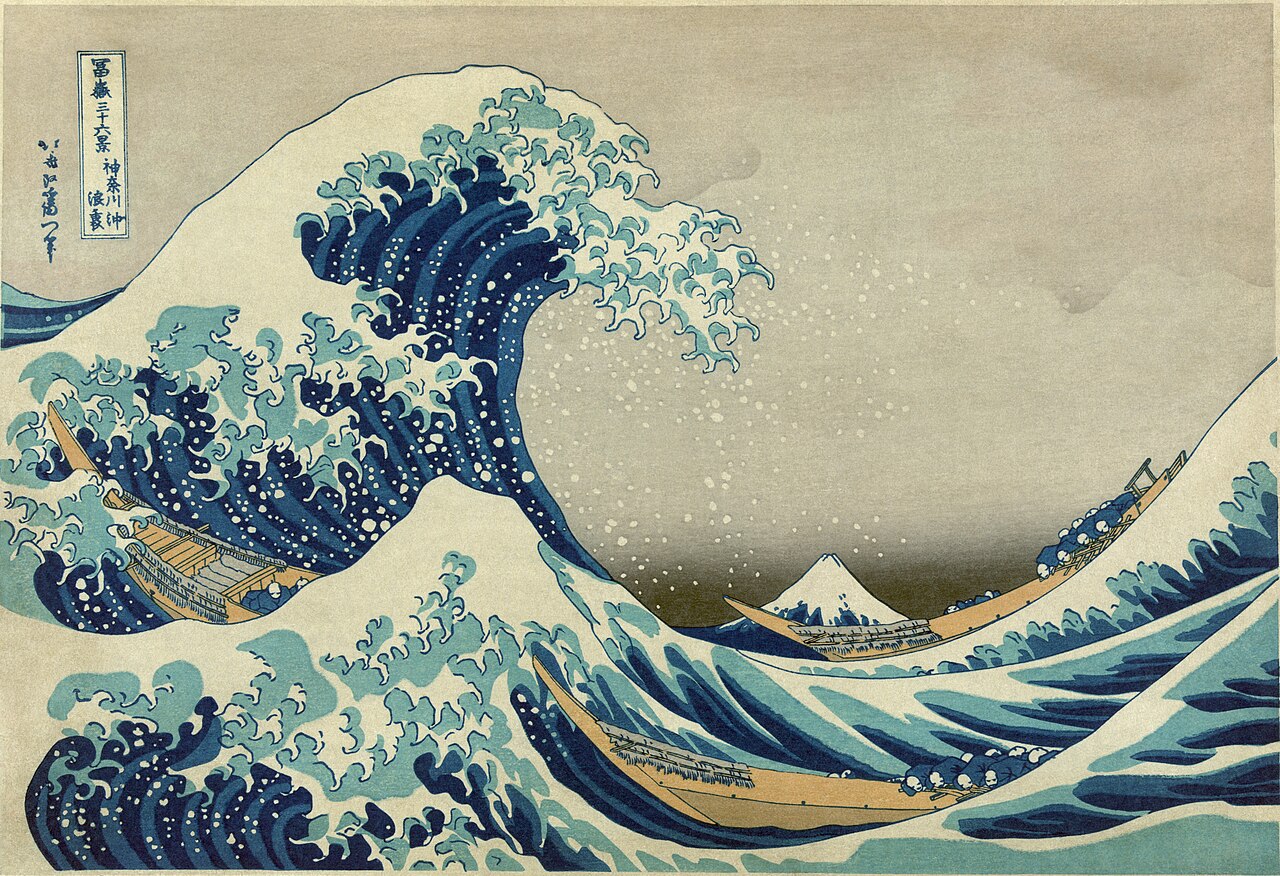
Until September 27, the halls of Palazzo delle Paure in Lecco host the exhibition Hokusai. The Secret of the Wave That Crossed Europe, dedicated to the great Japanese master Katsushika Hokusai (1760–1849).

The exhibition presents 43 works by the artist, a celebrated painter and printmaker and one of the greatest masters of ukiyo-e, the famous “floating world” prints that explore the fleeting nature of existence and the beauty of impermanence.

An eccentric and extraordinarily meticulous artist, Hokusai is known worldwide above all for The Great Wave off Kanagawa, his masterpiece displayed in the exhibition alongside other works celebrating the power of nature, water, and human resilience. An artistic dialogue that finds a particularly evocative setting on the shores of Lake Como, in Lecco.

The exhibition is curated by Paolo Linetti, director of the Mazzocchi Collection Museum of Oriental Art in Coccaglio (Brescia), and is produced and organised by ViDi Cultural and Ponte43, in collaboration with the Municipality of Lecco and the Lecchese Urban Museum System.

The exhibition is also an opportunity to stroll along Lecco’s lakeside promenade and explore its historic centre.

Location

Palazzo delle Paure
Piazza XX Settembre 22 – Lecco

Opening hours

Open on Tuesdays from 10:00 am to 2:00 pm.
On all other opening days until 6:00 pm.
Closed on Mondays.

The exhibition closes on September 27.

How to get there

The train is a very convenient option. Travelling by car is also possible, although parking availability should be considered.

Where to stay and eat

There are many restaurants and cafés around the exhibition area, offering plenty of choice.

For an excellent dining experience, the recommendation is undoubtedly Da Giovannino, located on the beautiful lakeside promenade of Malgrate, just over one kilometre from the exhibition. Creative cuisine and gourmet pizza paired with a unique view.

Tel. +39 0341 201133
www.ristorantedagiovannino.it

For accommodation, the top recommendation is Casa sull’Albero—a hotel that feels like a discovery in itself. An original and beautifully designed location, perfect for relaxation and recharging your energy.

www.casa-sullalbero.eu
Tel. +39 0341 1880440

Alternatively, there is Hotel Promessi Sposi, a tribute to the classic Italian novel that begins its journey through this very landscape. A refined hotel featuring a magnificent panoramic terrace.

www.hotelpromessisposi.it
Tel. +39 0341 202096
Further information

www.simulecco.it

www.vidicultural.com

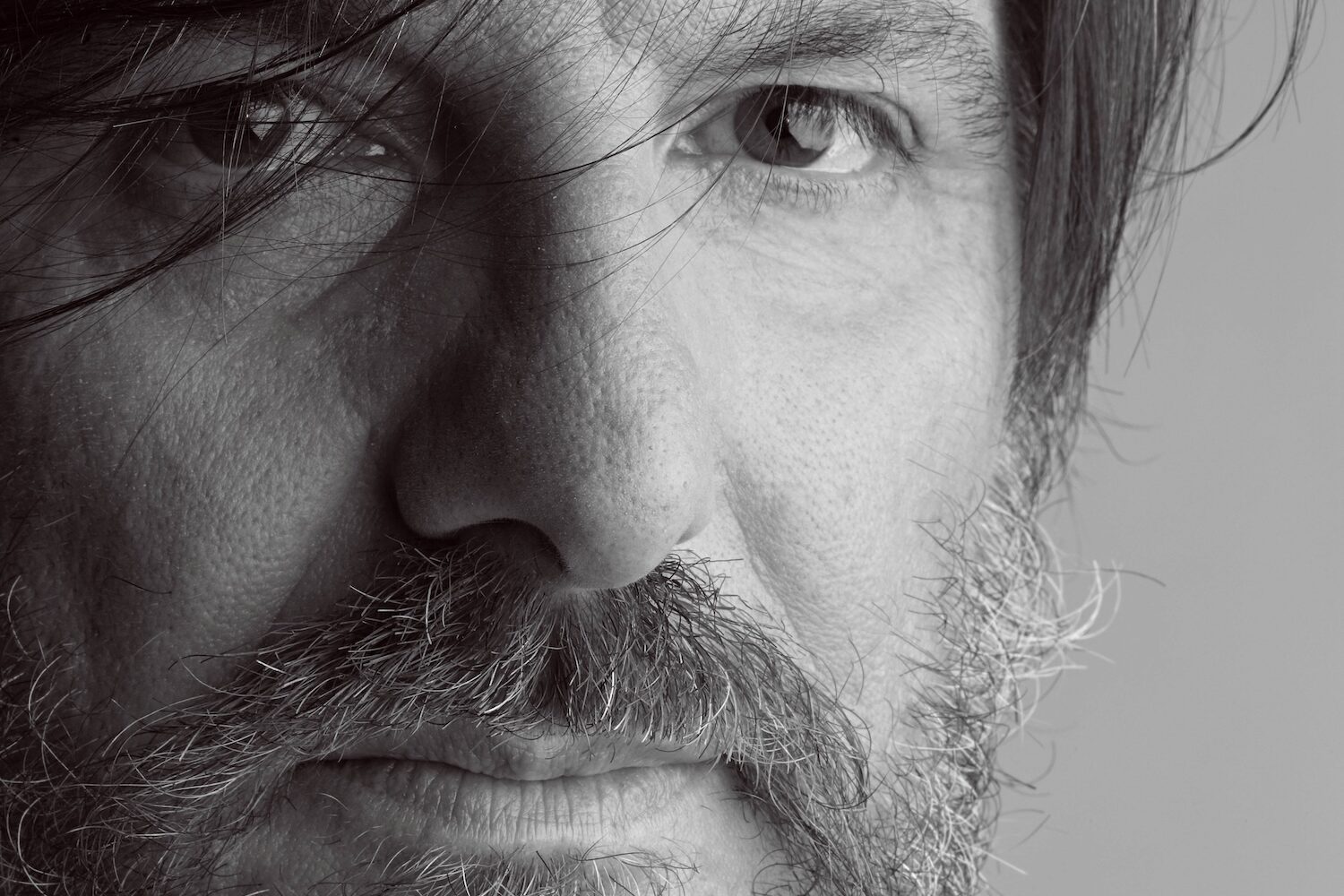
My journey began at the State Institute of Applied Art in Monza, an extraordinary school where creativity and vision seemed to flow through the very corridors.

At university, I was convinced I wanted to change direction. Then came Max Horkheimer and Theodor W. Adorno’s Dialectic of Enlightenment, together with Walter Benjamin’s The Work of Art in the Age of Mechanical Reproduction. Ideas that sometimes converged and sometimes diverged, yet irresistibly brought me back to art, design, and the timeless fascination of the Bauhaus.

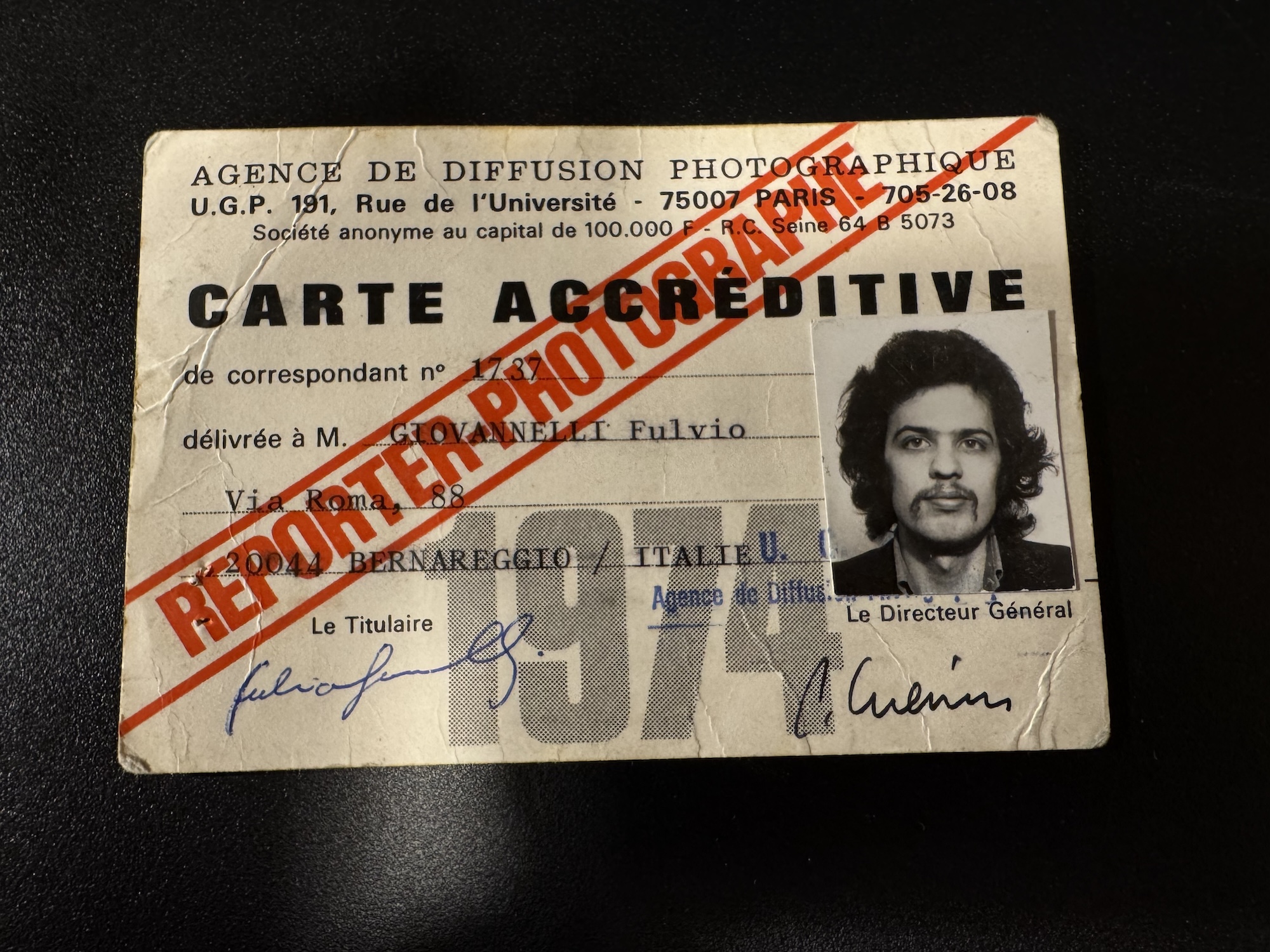
Photography was my first great love. I worked as a correspondent for a French photographic agency and had the opportunity to experience the studios of Aldo Ballo and Oliviero Toscani. Yet my imagination has always remained deeply connected to the poetic vision of Ugo Mulas.

Later, life took me elsewhere, but always within the world of ideas, culture, and aesthetics. I founded a radio station, a weekly newspaper, and two bookshops, one of which also hosted a small yet significant art gallery. Different projects, united by the same pursuit of beauty, language, and culture.

Today, I have been working for many years as an entrepreneur in the multimedia sector, and I am fortunate to continue living between communication, art, and creativity. I still follow that spark that first ignited so long ago and that continues, every day, to inspire my work and feed my curiosity.

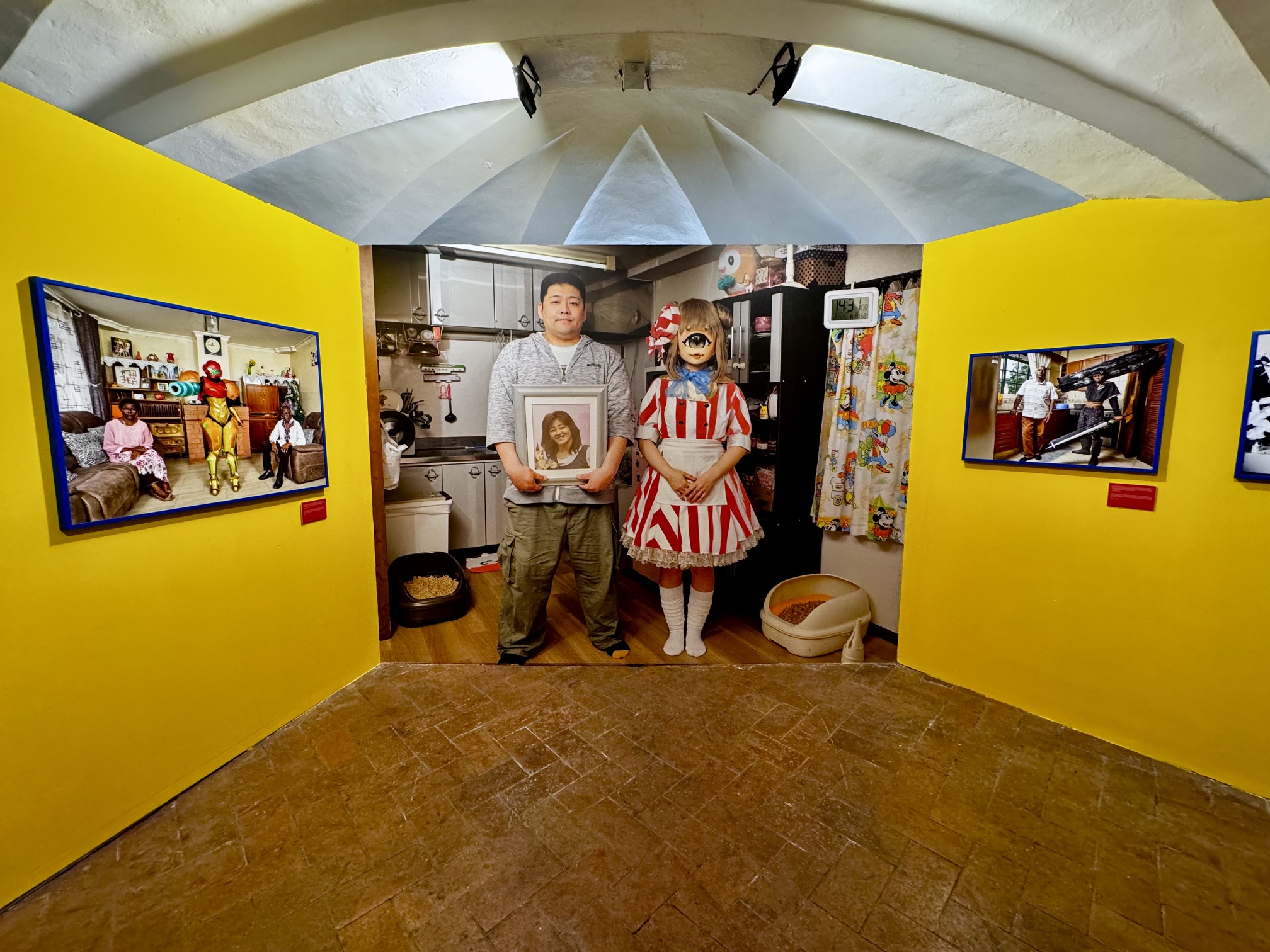
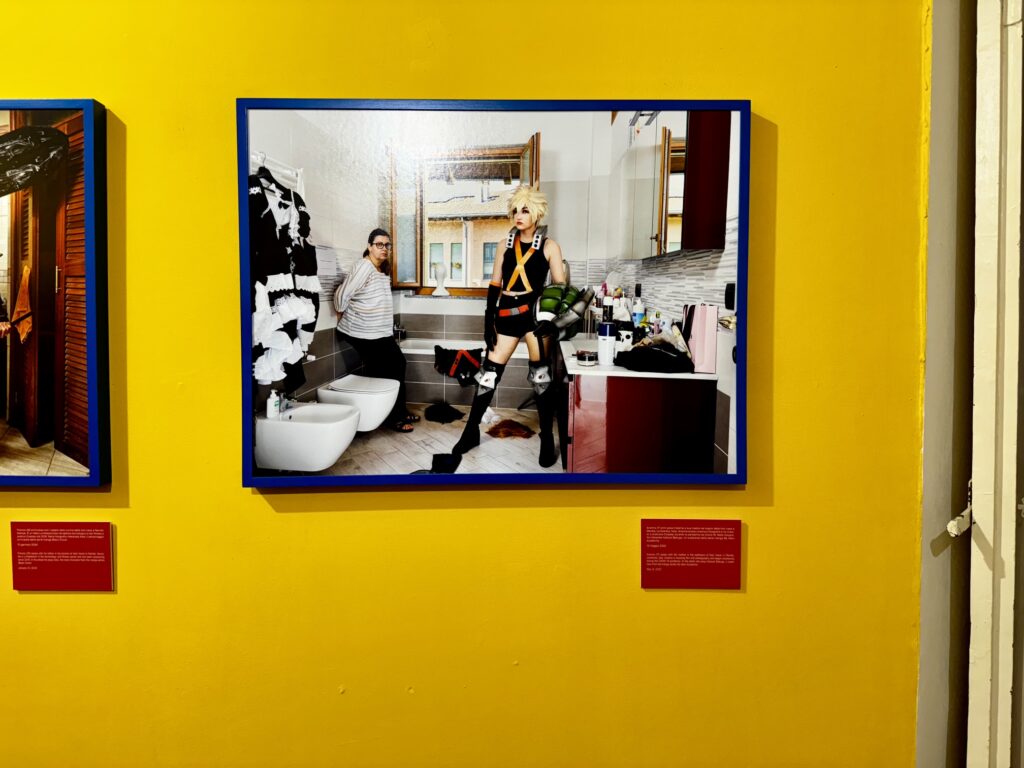
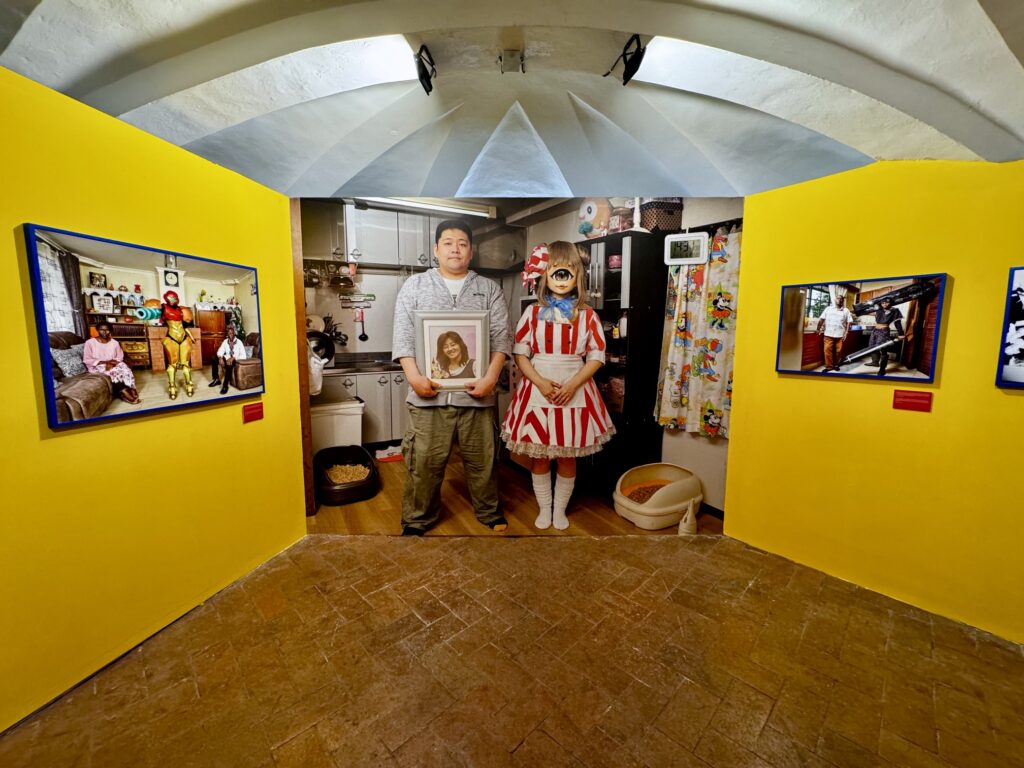
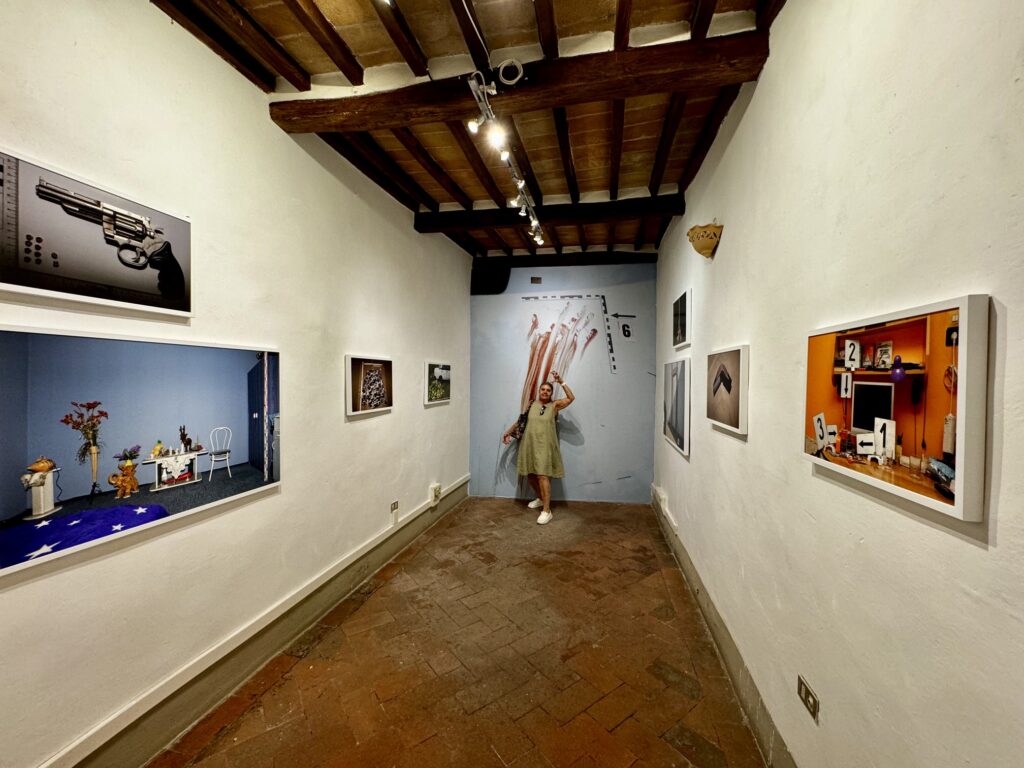
Cortona On The Move is one of the most important international contemporary photography festivals in Italy and has reached its 11th edition. Every year, it transforms the entire historic centre of Cortona into an open-air museum, with exhibitions hosted inside historic buildings, public spaces, and unexpected locations throughout the village, offering visitors a unique exhibition experience.

The images on display explore the present through the lens of photography, which becomes both a witness and a tool for investigating the social, cultural, and environmental transformations of our time.

This year’s edition, titled “Beautiful Country”, is dedicated to Italy and explores the country’s visual and cultural identity, inviting visitors to reflect on its landscapes, contradictions, traditions, and constant evolution.

www.cortonaonthemove.com

The festival closes on November 1st.

How to get there

The easiest route is to reach Arezzo by train and then continue by bus. For those with a bit more energy, cycling is also a wonderful option, offering breathtaking Tuscan landscapes just a short distance from Lake Trasimeno and Umbria.

Travelling by car or motorcycle is perhaps the simplest solution, allowing you to arrive directly in Cortona and enjoy the journey through the surrounding countryside.

Where to stay and eat: options for different budgets

For an unforgettable dining experience, La Bucaccia is a must. A true reference point for Tuscan and, in particular, Aretine cuisine, guided by Romano, a remarkable host with an exceptional passion for hospitality.

Tel. +39 0575 606039
www.labucaccia.it

La Loggetta di Cortona is an excellent restaurant overlooking the historic square, with its beautiful 13th-century loggia. A place where culinary pleasure meets architectural beauty.

Tel. +39 0575 630575
www.laloggetta.com

For those looking for both good food and accommodation, La Locanda del Molino offers a charming rustic restaurant, excellent cuisine, and beautiful rooms set within an ancient mill just a few steps from Cortona. A great choice with a fair price-quality balance.

Tel. +39 0575 614016
www.locandadelmolino.com

The Monastero di Cortona offers a truly unique experience in a strategic location within the city. A journey through time inside an ancient monastery, complete with a spa and swimming pool. A place for relaxation, history, and refined hospitality—an investment in an unforgettable stay.

Tel. +39 0575 1785839
www.monasterodicortona.com

For further information:
www.comune.cortona.ar.it

It may sound like a provocative statement, but only up to a point. Ask fashion designers themselves—the real ones, the people who wrestle with images season after season—and many of them will eventually arrive at the same conclusion. Sooner or later, somewhere on a mood board or in a forgotten reference lying on a studio table, David Bowie always appears.

It is fascinating that this happens above all in fashion. Perhaps because fashion was the first field to truly understand what Bowie was doing. Or rather, to understand that he wasn’t simply getting dressed. He was creating a language.

For a long time, fashion maintained a fairly rigid relationship with clothing. Elegance, belonging, status—even transgression—all existed within recognisable codes. Bowie disrupted that system. He transformed image into an ongoing narrative. He created characters. Style ceased to be static and became a process of constant transformation.

It is probably there that much of contemporary fashion begins.

The idea that a collection can function as an alter ego. That a brand can become a parallel identity. That clothing is not only a way of expressing who we are, but also who we might become—or choose to pretend to be.

Today, this feels entirely natural. Every season is expected to build its own world, tell its own story, project its own emotional identity. But in the 1970s, this way of thinking was far from obvious. Bowie made it visible, accessible, almost inevitable.

Fashion immediately recognised the potential of that vision because Bowie never separated the body from performance. Silhouette, make-up, posture, hair colour, theatricality, photography, movement—everything belonged to the same visual system.

His collaborations with Kansai Yamamoto remain pivotal for precisely this reason: performances expressed through clothing. Fashion stopped decorating the body and began transforming it.

Perhaps this is why Bowie became so essential to designers. Not simply because of the aesthetics—the jumpsuits, the glam, the make-up—but because he introduced a new way of thinking. The idea that fashion could construct temporary identities. Characters. Almost heteronyms.

It recalls Fernando Pessoa and his concept of becoming someone other than oneself. Or Fellini’s characters, forever suspended between autobiography and invention. Bowie brought that sensibility into popular culture, and fashion immediately absorbed its creative potential.

He also fundamentally reshaped the conversation around gender. At a time when menswear remained remarkably rigid, Bowie blurred the boundaries between masculine and feminine. What is most striking is how quickly fashion recognised the visual power of that ambiguity as an entirely new aesthetic possibility.

Much of today’s visual language—from genderless fashion and rock-infused tailoring to the contemporary obsession with fashion identity—can be traced back, at least in part, to that moment.

This is why Bowie continues to reappear throughout contemporary fashion. Not because designers simply quote him, but because he introduced a new way of thinking. He taught fashion something that now seems self-evident: image has the power to create an entire universe.

Fashion rarely predicts the future. Its far rarer gift is recognising it when it arrives from somewhere else.

The Ballets Russes