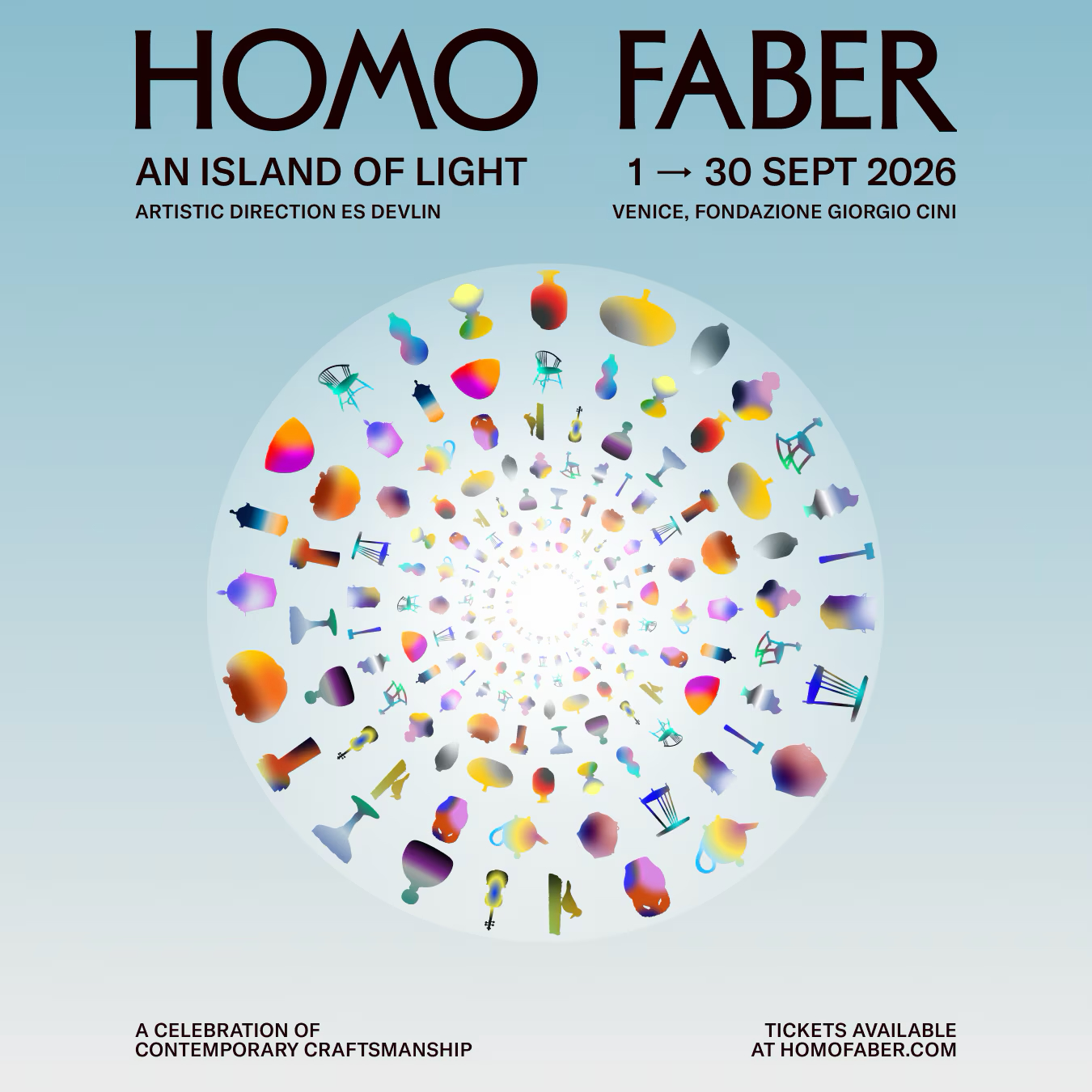
“Homo Faber 2026 – An Island of Light”

Homo faber fortunae suae. Man is the maker of his own fortune, but also – and above all – of his ability to transform matter. This is the thread running through Homo Faber 2026 – An Island of Light, the fourth edition of the international biennial dedicated to contemporary craftsmanship, taking place in Venice from September 1 to 30.

Once again, the heart of the event is the Island of San Giorgio Maggiore, within the spaces of the Giorgio Cini Foundation. But this year, the experience takes on a new dimension: light becomes a narrative material, an element capable of guiding visitors through works, installations and the gestures of artisans.

The artistic direction is entrusted to Es Devlin, the British artist and designer known for her large-scale theatrical installations. Her vision brings light, materials and the human hand into dialogue, creating a journey in which craftsmanship is not simply displayed, but experienced.

Fifteen immersive installations mark the route across the island, alongside works by hundreds of artisans from different parts of the world. Ceramics, glass, textiles, wood, metal and other materials reveal the variety of contemporary craftsmanship, in an ongoing dialogue between tradition and experimentation.

Homo Faber is an invitation to look closely at the work of the artisan, to understand its rhythms, gestures and almost physical relationship with materials. Live demonstrations, workshops, talks and visits allow the public to enter the creative process and discover how, even today, the human hand can remain a protagonist in the age of industrial and digital production.

From the Island of San Giorgio, the journey opens out into the city. With Homo Faber In Città, Venice becomes an integral part of the event: exhibitions, events, talks and itineraries lead visitors to discover workshops and master artisans, bringing to light a heritage of skills that for centuries has been one of the deepest expressions of the lagoon city’s identity.

WHERE: Giorgio Cini Foundation, Island of San Giorgio Maggiore, Venice
OPEN: every day from 10:00 am to 7:00 pm
CLOSES: September 30
HOW TO GET THERE: take the train, then catch vaporetto line 2 and get off at San Giorgio Island.
FOR ALL INFORMATION: www.homofaber.com

WHERE TO STAY

Venice, as we know, is certainly not a cheap destination. There are, however, some good middle-ground options, and we would like to recommend a couple just a few steps from the Accademia stop on vaporetto line 2, which is essential for reaching our destination.

We are in the Dorsoduro sestiere, one of the areas of Venice where tourists have not yet become the dominant presence.

The addresses we suggest are also just a few minutes from the Peggy Guggenheim Collection and the Accademia Galleries, and above all from the Basilica della Salute. Right next to the Basilica is Casa Sanlorenzo, which hosts two Homo Faber exhibitions dedicated to master artisans from Venice and the Veneto region.

The first is the Hotel American Dinesen, a very pleasant hotel overlooking a calle in Dorsoduro, 628. Tel. +39 041 520 4733 — www.hotelamerican.com

The second is directly opposite the hotel: B&B Suite735, at Dorsoduro 735/A. Tel. +39 041 520 8051 — www.suite735.com

WHERE TO EAT

There is plenty of choice, provided you keep an eye on the balance between quality and price. Staying in Dorsoduro:

The first is just a stone’s throw from the accommodation options mentioned above. Al Vecio Forner is a typical Venetian osteria, affected by the influx of tourists but still true to its culinary spirit and welcoming atmosphere. It is located at Dorsoduro 368, Tel. +39 041 521 0343, and is open every day (the kitchen closes at 10:30 pm).

The second is just a short walk away. Al Vecio Marangon, at Dorsoduro 1210 – Calle della Toletta, is a small restaurant with seating also available just outside. An excellent place for Venetian cuisine. Booking is essential, luck aside. Tel. +39 041 277 8554 — www.alveciomarangon.com

Third, also just a few steps away, we could not leave out a place for cichetti, as well as excellent freshly made sandwiches for lunch. Le Cantine del Vino Già Schiavi, at Fondamenta Nani 992, is one of the best Venetian bacari: a historic institution at the foot of the bridge leading to San Trovaso and opposite the historic squero.

Just a note: it is closed on Sundays. On other days it opens at 8:30 am and closes at 2:00 pm, reopening at 4:00 pm and closing at 8:30 pm. Tel. +39 041 523 0034 — www.cantinaschiavi.com
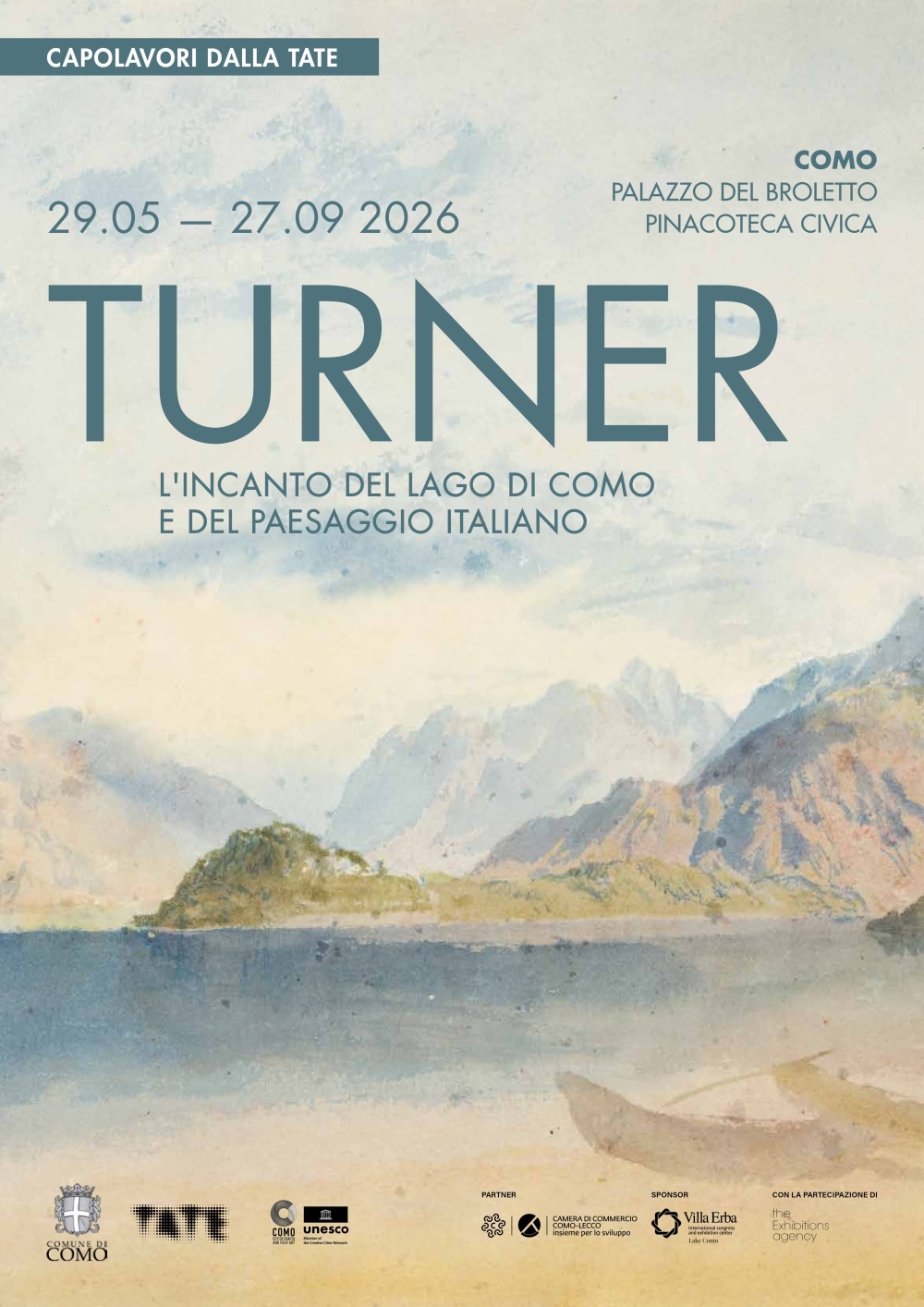
There is a different way of travelling: that of those who, when faced with a landscape, do not simply look, but feel the need to capture what they see on paper. This was the way of William Turner, the great English Romantic painter and tireless explorer who travelled between England, France and Italy.

Until September 27, Como pays tribute to this extraordinary artist with the exhibition “Turner. The Enchantment of Lake Como and the Italian Landscape”, a journey into the painter’s world through his works and travel notes.

Turner travelled with notebooks and sketchbooks, using them almost like a camera avant la lettre. With a few strokes, quick notes and delicate watercolours, he was able to capture whatever caught his eye: a mountain, the outline of a city, a sudden light, the reflection of the water, the changing sky.

And Lake Como itself was for Turner an inexhaustible source of emotions and inspiration. The Italian landscape, with its light, colours and the power of nature, became much more than a simple subject to portray: it was a visual experience that profoundly transformed his way of painting.

In his notebooks, travel thus takes the form of a visual memory: small sketches and watercolours, often created with the speed of a snapshot, which became precious testimonies of an era and, at the same time, the creative laboratory of one of the great masters of modern painting.

Visiting the exhibition therefore means not only admiring Turner, but travelling with Turner: following his gaze, rediscovering nineteenth-century Italy through his drawings and allowing oneself, once again, to be captivated by the enchantment of Lake Como.

The exhibition unfolds across two venues. At the Palazzo del Broletto, seven of the artist’s watercolours are on display, offering an insight into Turner’s extraordinary ability to portray landscape through light and colour. Here, visitors can also experience the immersive film “J. M. W. Turner: On the Wing”, dedicated to the artist’s life and travels.

At the Civic Art Gallery (Pinacoteca Civica), meanwhile, four large oil paintings complete the exhibition, offering a broader perspective on Turner’s painterly research and his relationship with the Italian landscape.

A journey, then, that begins with the small marks traced in notebooks and arrives at the large canvases: from the swift gesture of the travelling artist to the evocative power of his painting.

Organised by the City of Como and Tate London, with the exhibition project curated by Elisabeth Brooke.

WHERE: Palazzo del Broletto and Civic Art Gallery (Pinacoteca Civica)
OPEN: Tuesday to Sunday, from 10:00 am to 6:00 pm
CLOSES: September 27
HOW TO GET THERE: by car, with parking behind the Courthouse, or by train, followed by a short walk along the lakeside
FOR ALL INFORMATION: www.oggiacomo.it

WHERE TO STAY

Como is known for its high-end hospitality and, as we know, it is not necessarily for every budget. That said, there are some interesting and original places worth considering.

The first is Bellavista Hotel & Ristorante, an original three-star hotel dating back to the late 19th century, designed in the Liberty style and recently renovated. Lovely rooms and a spectacular view over Lake Como. It can be reached by car or by funicular, whose station is just 10 metres away. Piazza Bonacossa, Brunate. Tel. +39.031.22.10.31 www.bellavistabrunate.com

The second is Trattoria Laghee in Cernobbio, which, besides being a restaurant, is also a quality B&B, strategically located. Rooms and information: +39.031.34.23.17 www.trattorialagheecernobbio.it

WHERE TO EAT

The choice is exceptionally wide, with a very high turnover of tables. Still, there are two places worth mentioning:

The first: just a stone’s throw from the Duomo, Ristorante Pepe Nero stands out for the high quality of its cuisine. While respecting the characteristics and needs of a tourist-oriented restaurant, it offers traditional dishes revisited with creativity, always with balance and care.

The pizza selection is also excellent. To complete the experience, the kindness and professionalism of the front-of-house staff are truly commendable: attentive and always ready to help.

Via Pietro Boldoni 26
Tel. +39.031.26.03.33
www.pepenerocomo.com

The second is also just a few steps from the Duomo. Osteria del Gallo is Como’s last remaining traditional osteria, authentic and welcoming. Genuine Lombard dishes, carefully prepared and served, followed by an excellent selection of desserts. A place away from the crowds, at Via Vitani 16.

Tel. +39.031.38.68.025
No website presence, apart from photographs and reviews.

Lecco

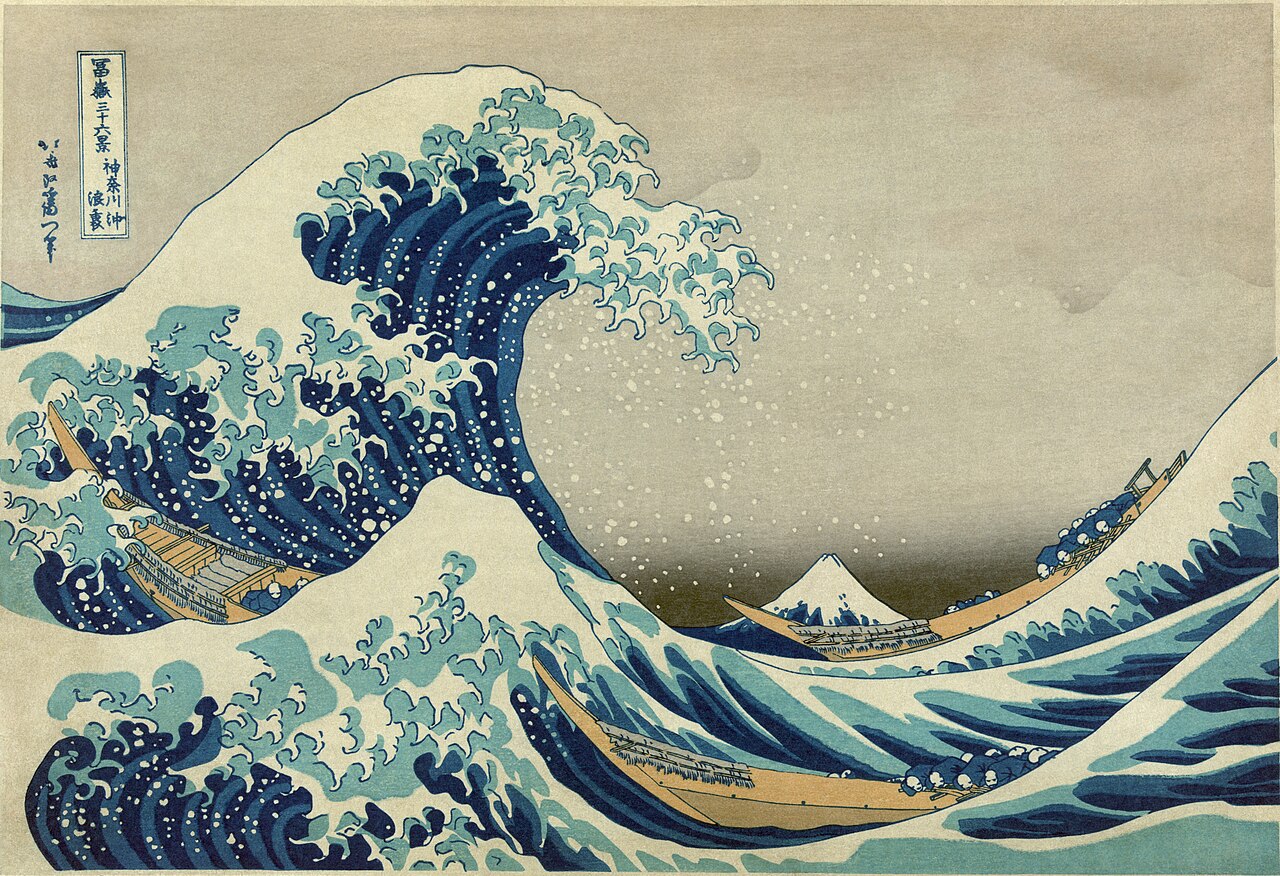
Until September 27, the halls of Palazzo delle Paure in Lecco host the exhibition Hokusai. The Secret of the Wave That Crossed Europe, dedicated to the great Japanese master Katsushika Hokusai (1760–1849).

The exhibition presents 43 works by the artist, a celebrated painter and printmaker and one of the greatest masters of ukiyo-e, the famous “floating world” prints that explore the fleeting nature of existence and the beauty of impermanence.

An eccentric and extraordinarily meticulous artist, Hokusai is known worldwide above all for The Great Wave off Kanagawa, his masterpiece displayed in the exhibition alongside other works celebrating the power of nature, water, and human resilience. An artistic dialogue that finds a particularly evocative setting on the shores of Lake Como, in Lecco.

The exhibition is curated by Paolo Linetti, director of the Mazzocchi Collection Museum of Oriental Art in Coccaglio (Brescia), and is produced and organised by ViDi Cultural and Ponte43, in collaboration with the Municipality of Lecco and the Lecchese Urban Museum System.

The exhibition is also an opportunity to stroll along Lecco’s lakeside promenade and explore its historic centre.

Location

Palazzo delle Paure
Piazza XX Settembre 22 – Lecco

Opening hours

Open on Tuesdays from 10:00 am to 2:00 pm.
On all other opening days until 6:00 pm.
Closed on Mondays.

The exhibition closes on September 27.

How to get there

The train is a very convenient option. Travelling by car is also possible, although parking availability should be considered.

Where to stay and eat

There are many restaurants and cafés around the exhibition area, offering plenty of choice.

For an excellent dining experience, the recommendation is undoubtedly Da Giovannino, located on the beautiful lakeside promenade of Malgrate, just over one kilometre from the exhibition. Creative cuisine and gourmet pizza paired with a unique view.

Tel. +39 0341 201133
www.ristorantedagiovannino.it

For accommodation, the top recommendation is Casa sull’Albero—a hotel that feels like a discovery in itself. An original and beautifully designed location, perfect for relaxation and recharging your energy.

www.casa-sullalbero.eu
Tel. +39 0341 1880440

Alternatively, there is Hotel Promessi Sposi, a tribute to the classic Italian novel that begins its journey through this very landscape. A refined hotel featuring a magnificent panoramic terrace.

www.hotelpromessisposi.it
Tel. +39 0341 202096

Further information

www.simulecco.it

www.vidicultural.com

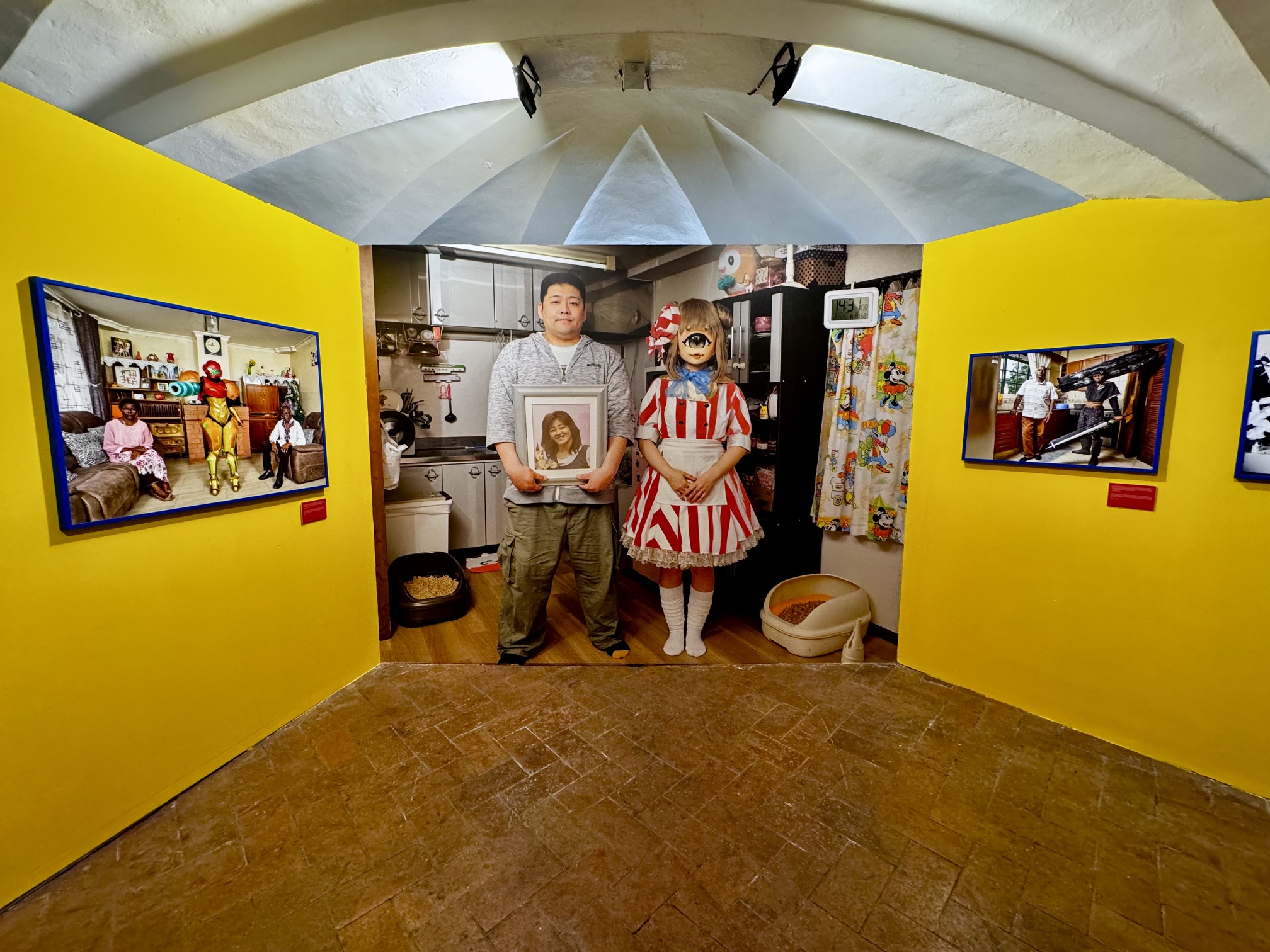
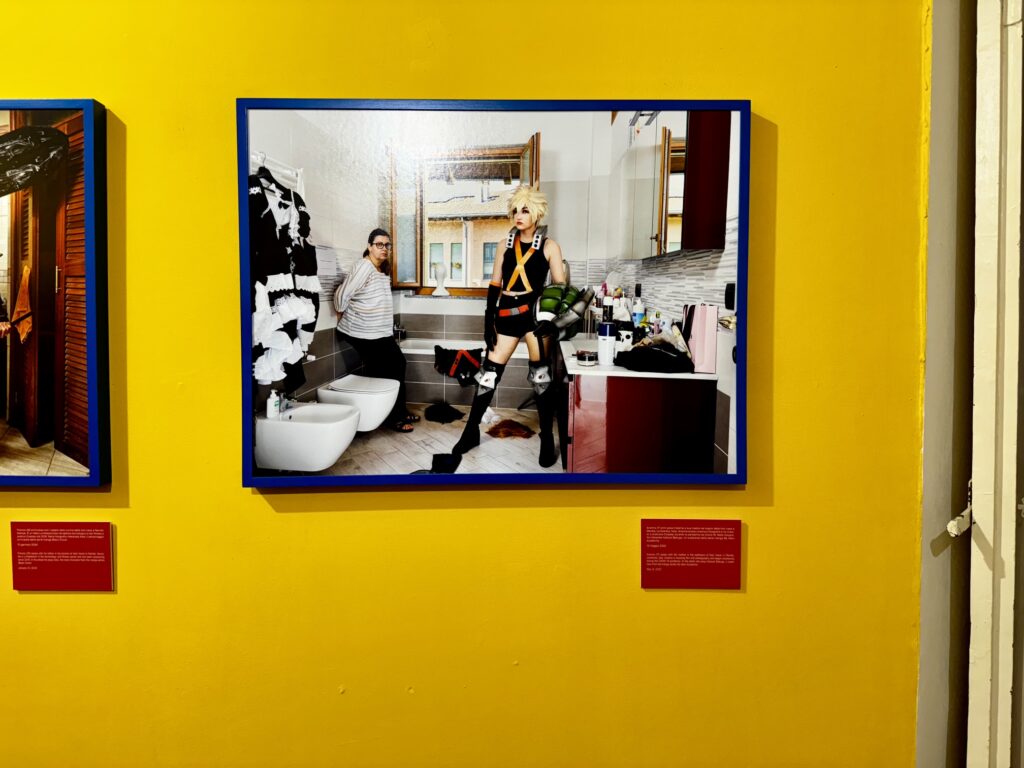
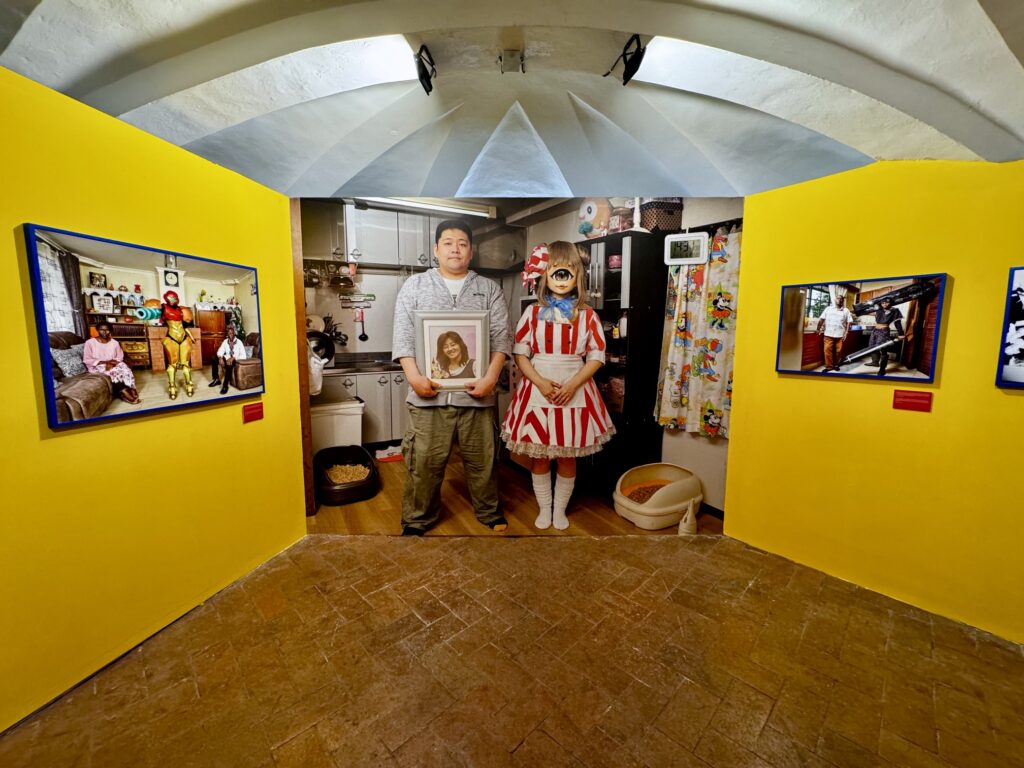
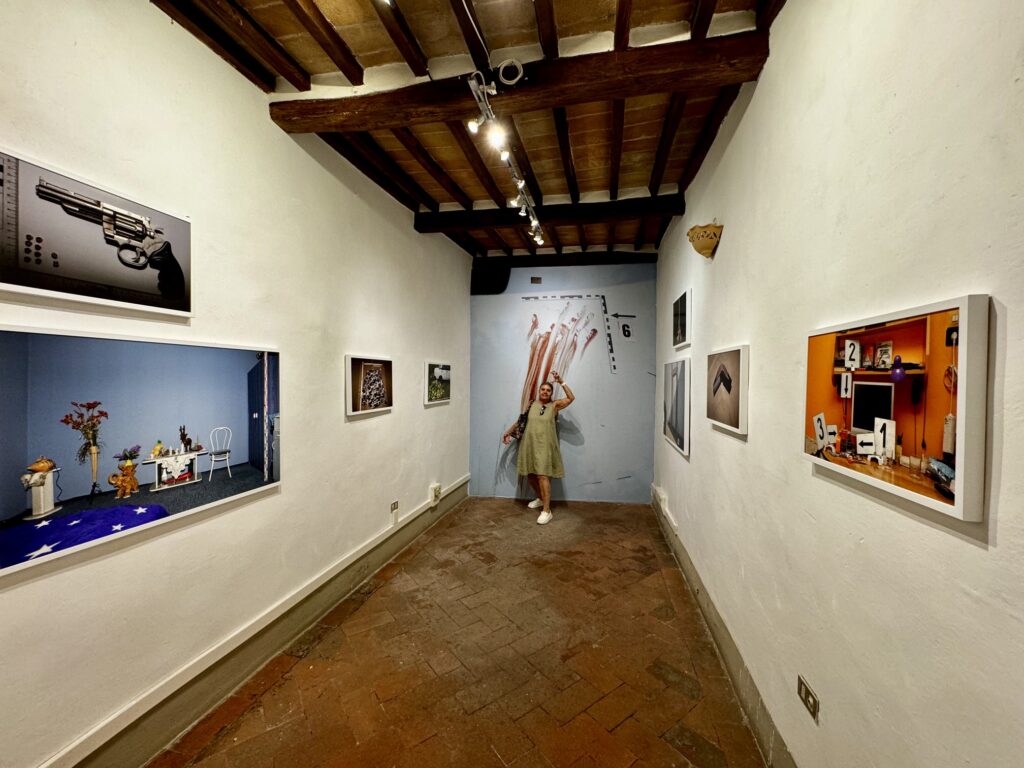
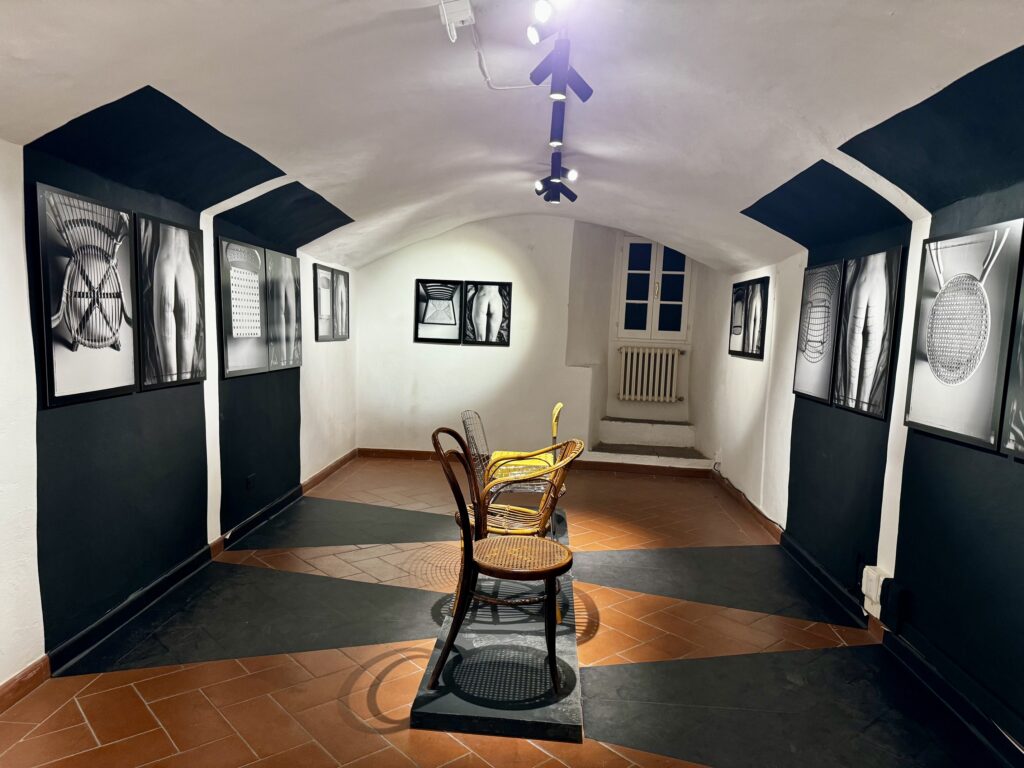
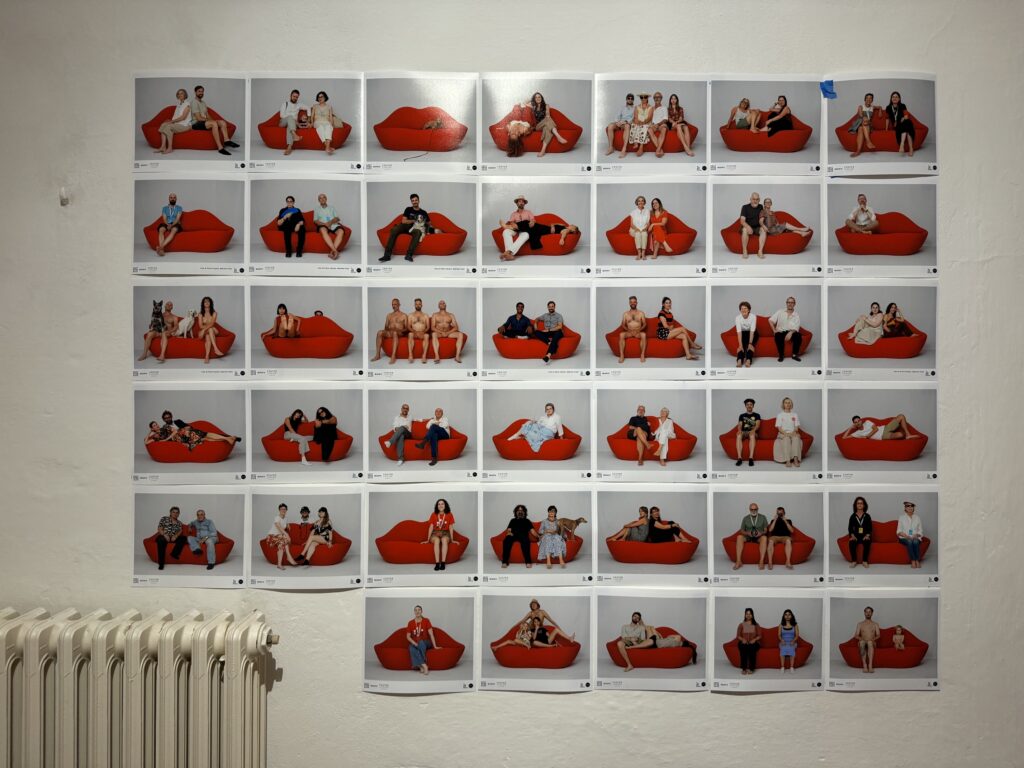
Cortona On The Move is one of the most important international contemporary photography festivals in Italy and has reached its 11th edition. Every year, it transforms the entire historic centre of Cortona into an open-air museum, with exhibitions hosted inside historic buildings, public spaces, and unexpected locations throughout the village, offering visitors a unique exhibition experience.

The images on display explore the present through the lens of photography, which becomes both a witness and a tool for investigating the social, cultural, and environmental transformations of our time.

This year’s edition, titled “Beautiful Country”, is dedicated to Italy and explores the country’s visual and cultural identity, inviting visitors to reflect on its landscapes, contradictions, traditions, and constant evolution.

www.cortonaonthemove.com

The festival closes on November 1st.

How to get there

The easiest route is to reach Arezzo by train and then continue by bus. For those with a bit more energy, cycling is also a wonderful option, offering breathtaking Tuscan landscapes just a short distance from Lake Trasimeno and Umbria.

Travelling by car or motorcycle is perhaps the simplest solution, allowing you to arrive directly in Cortona and enjoy the journey through the surrounding countryside.

Where to stay and eat: options for different budgets

For an unforgettable dining experience, La Bucaccia is a must. A true reference point for Tuscan and, in particular, Aretine cuisine, guided by Romano, a remarkable host with an exceptional passion for hospitality.

Tel. +39 0575 606039
www.labucaccia.it

La Loggetta di Cortona is an excellent restaurant overlooking the historic square, with its beautiful 13th-century loggia. A place where culinary pleasure meets architectural beauty.

Tel. +39 0575 630575
www.laloggetta.com

For those looking for both good food and accommodation, La Locanda del Molino offers a charming rustic restaurant, excellent cuisine, and beautiful rooms set within an ancient mill just a few steps from Cortona. A great choice with a fair price-quality balance.

Tel. +39 0575 614016
www.locandadelmolino.com

The Monastero di Cortona offers a truly unique experience in a strategic location within the city. A journey through time inside an ancient monastery, complete with a spa and swimming pool. A place for relaxation, history, and refined hospitality—an investment in an unforgettable stay.

Tel. +39 0575 1785839
www.monasterodicortona.com

For further information:
www.comune.cortona.ar.it